Yes, apps that pay $100 a day exist, but they rarely hand you that money for doing nothing. Most people who hit this number are stacking two or three income streams — gig work, reselling, freelancing, or cashback — inside a handful of well-chosen apps, then tracking their subscriptions and payout cycles closely enough that nothing slips through the cracks. Below is a realistic, no-fluff breakdown of what these apps look like, how the $100-a-day figure is actually reached, and how to protect your earnings once the money starts coming in.
What “Apps That Pay $100 a Day” Really Means

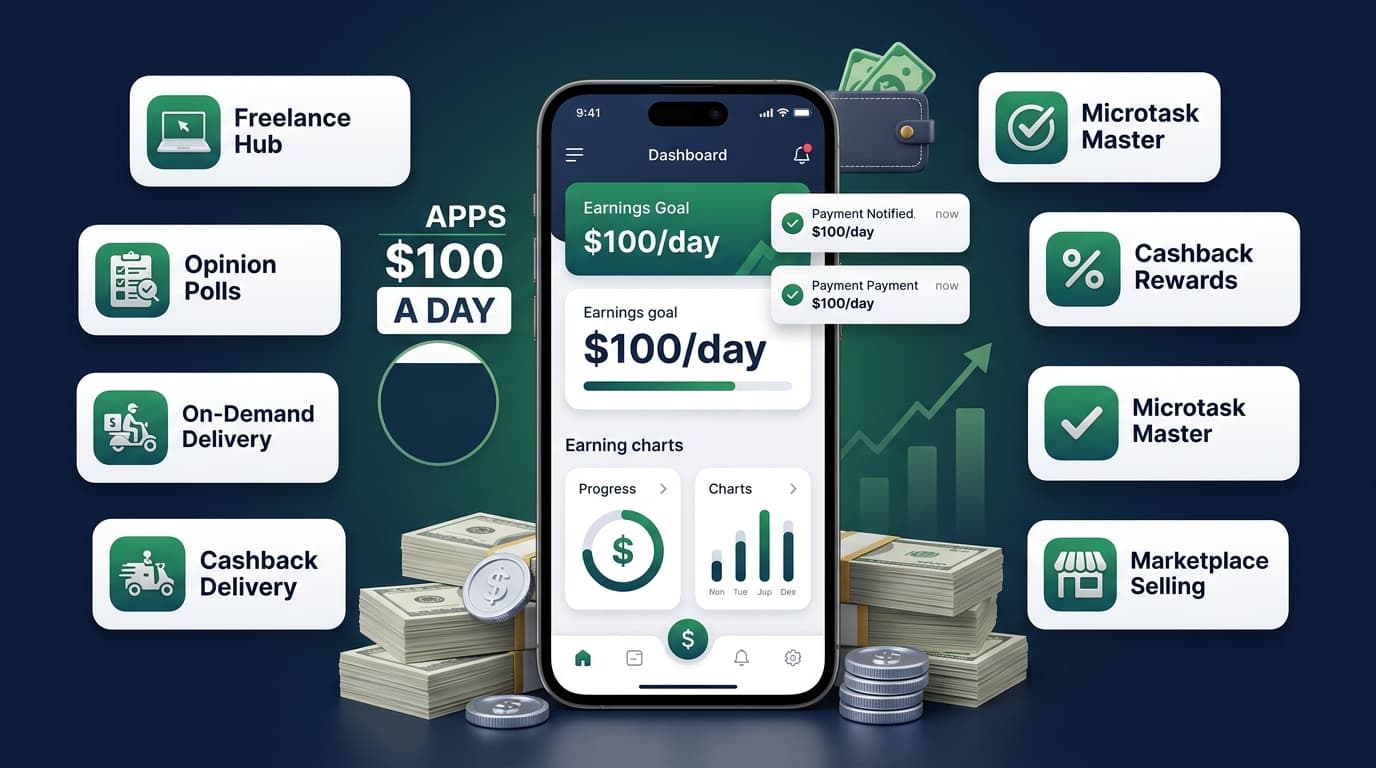
Search for this phrase and you’ll find plenty of listicles promising instant riches. In practice, apps that pay $100 daily fall into a few honest categories: gig and delivery platforms, freelance marketplaces, reselling apps, paid survey and testing platforms, and cashback or rewards apps. None of these is a lottery ticket. Each one pays for time, skill, inventory, or attention, and the $100/day mark usually comes from combining two or more of them rather than relying on a single app.
The apps that consistently deliver toward six figures a year, or even a steady $100 a day, share three traits: a large, real user base; transparent payout terms; and a fast, verifiable withdrawal process. If an app is vague about how or when you get paid, that’s a signal to look elsewhere.
Gig and Delivery Apps
Platforms like DoorDash, Uber, Instacart, and Amazon Flex remain some of the most dependable earn money apps because payment is tied directly to completed jobs. Drivers and shoppers in busy metro areas can realistically clear $100 in a single active shift, especially during peak hours, bad weather, or local events that spike demand. Earnings here scale with hours worked, not luck, which makes them among the most predictable of the daily income apps.
Freelance and Skill-Based Apps
If you have a marketable skill — writing, design, tutoring, bookkeeping, voiceover work — apps like Upwork, Fiverr, and Wyzant let you set your own rate instead of accepting whatever a gig platform offers. Landing one or two solid clients can push a freelancer well past $100 a day, and repeat clients tend to be far more lucrative than one-off gigs. The tradeoff is that freelance apps take longer to build momentum; expect the first few weeks to be about reputation, not revenue.
Reselling and Marketplace Apps
Apps such as Poshmark, Mercari, and eBay turn everyday selling into a legitimate side income. Sellers who source inventory smartly — thrift finds, clearance items, bulk lots — and photograph listings well often report daily profits in the double or triple digits. This category rewards consistency: listing a few new items every day compounds faster than uploading fifty at once and walking away.
Survey, Testing, and Cashback Apps
Survey and micro-task apps like Swagbucks, InboxDollars, or user-testing platforms rarely reach $100 a day on their own, but they’re a reliable way to pad other income streams. Cashback and rewards apps work similarly — small, steady payouts that add up over a month rather than a single session. Treat these as supplementary income rather than a standalone strategy.
Managing the Subscriptions Behind Your Earning Apps

Here’s the part most earn-money guides skip: many of these apps come with optional paid tiers, premium listing boosts, or trial subscriptions that auto-renew. Freelance platforms charge for premium profiles, reselling apps offer paid promotion tools, and some survey panels bundle a subscription for faster payouts. If you’re running four or five apps at once, it’s easy to lose track of which free trials are about to convert into charges.
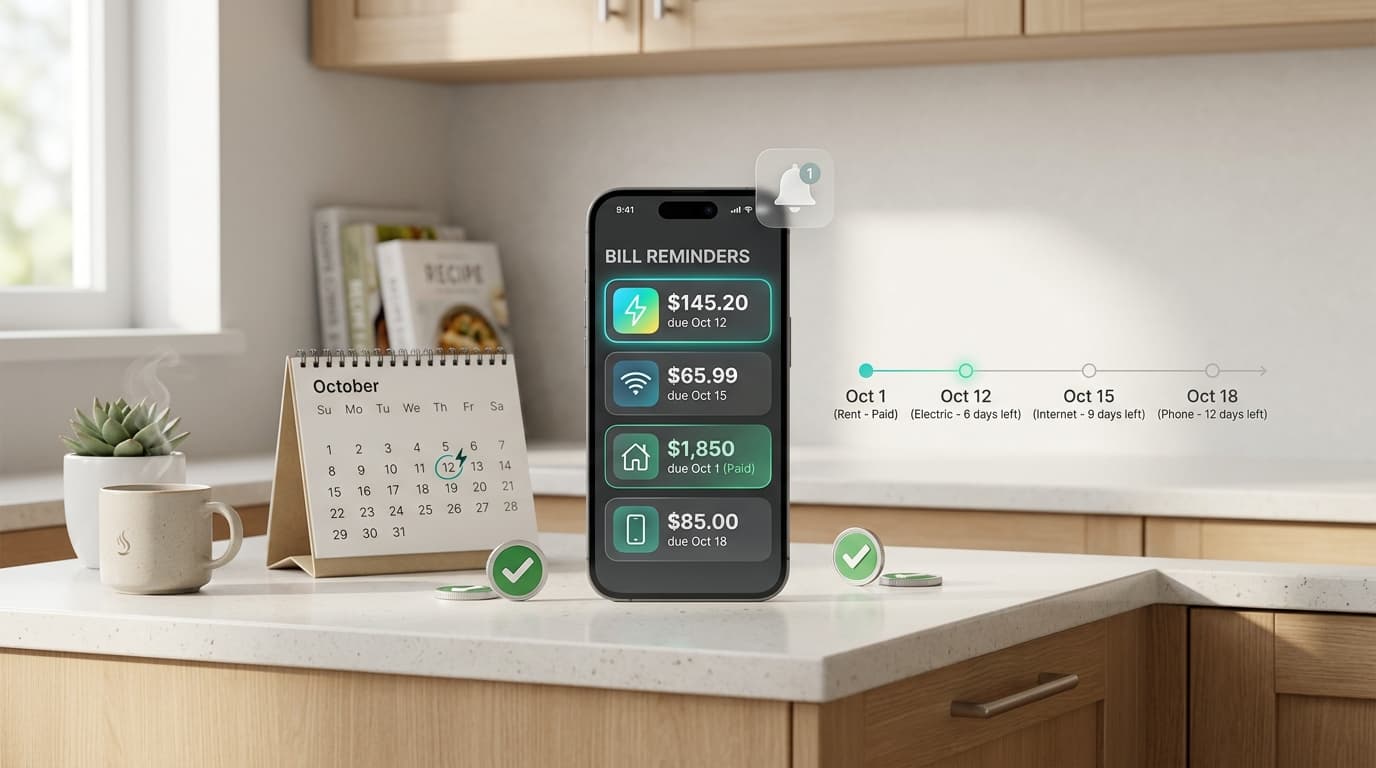
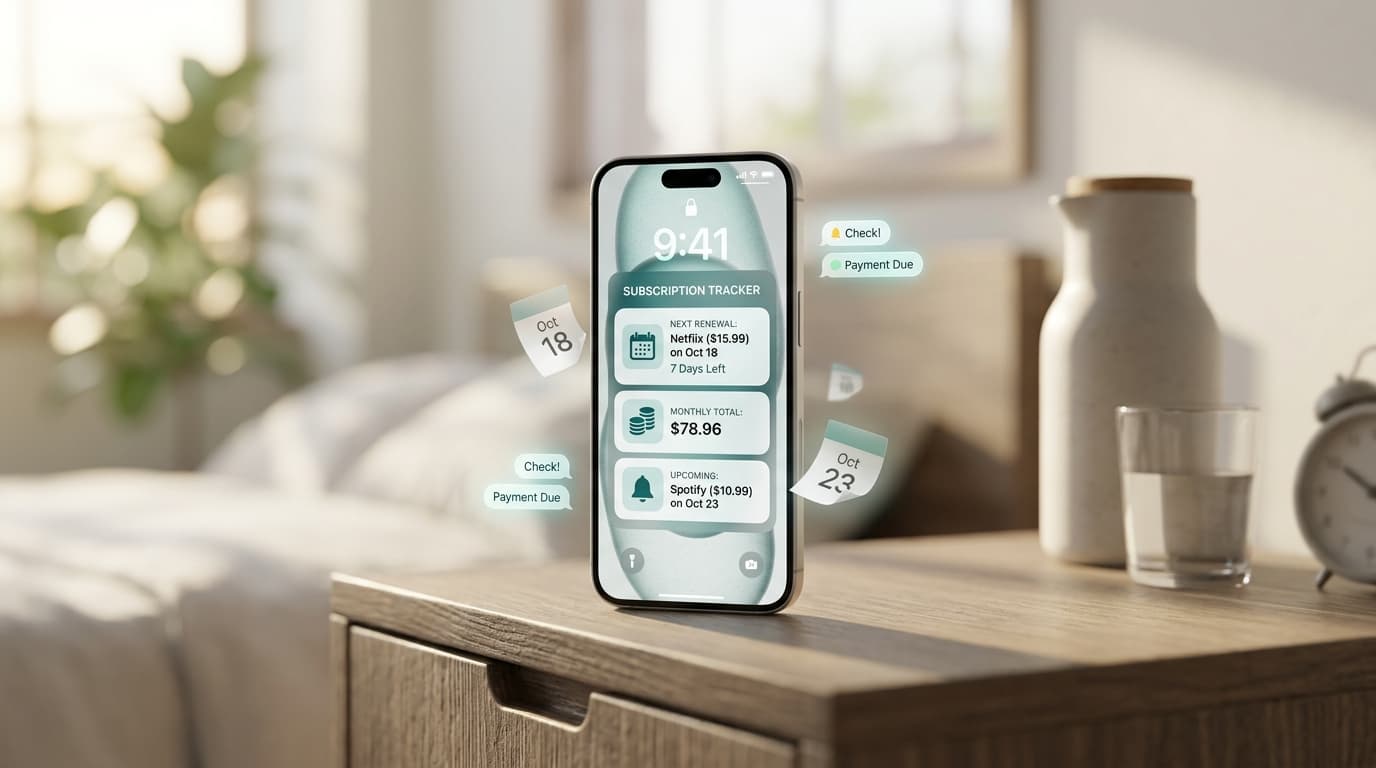
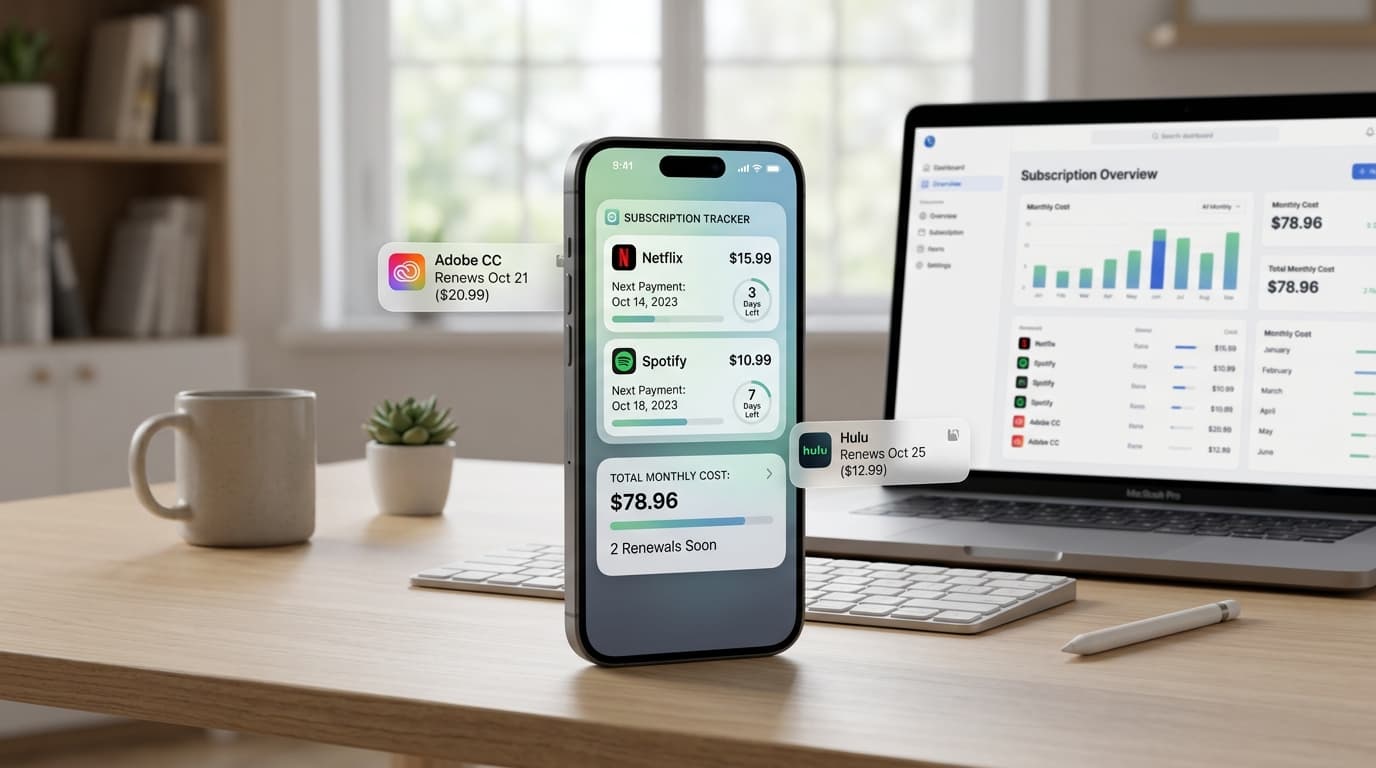
This is exactly the kind of clutter a dedicated subscription tracker solves. Renew Reminder lets you log every app subscription and free trial in one place, then sends a reminder before you’re billed, so the money you’re earning from these apps doesn’t quietly leak back out through forgotten renewals. It’s available on Google Play and the App Store, and it takes less than a minute to add your first subscription.
Realistic Tips for Hitting $100 a Day
Start with one app and master its payout structure before adding a second. Track your effective hourly rate, not just total earnings, since some apps look generous but eat hours you didn’t budget for. Cash out on a schedule instead of letting balances sit, and always read the fine print on minimum withdrawal thresholds. Finally, keep a simple log — even a spreadsheet — of which apps are actually profitable after fees, gas, or subscription costs, because not every app that advertises fast money delivers it.
Frequently Asked Questions
Are apps that pay $100 a day legitimate? Many are, provided they’re gig, freelance, reselling, or cashback platforms with verifiable payout histories. Be cautious of apps promising guaranteed daily income with no work involved; that’s a common red flag for scams.
How fast can I start earning $100 a day? Gig and delivery apps can pay out within a single active shift. Freelance and reselling apps usually take a few weeks to build the client base or inventory needed to hit that number consistently.
Do I need multiple apps to reach $100 daily? Usually, yes. Most people combine a primary income app, like delivery or freelancing, with a secondary one, like cashback or reselling, to reach and sustain the target.
How do I avoid losing money to app subscriptions? Track every free trial and paid tier you sign up for across your earning apps. A tool like Renew Reminder flags upcoming renewals before they charge your card, which keeps your net earnings accurate.
Which apps pay the fastest? Gig platforms with instant cash-out options, such as same-day driver or delivery apps, typically offer the quickest access to funds, sometimes within minutes for a small fee.
Reaching $100 a day through apps is achievable, but it’s built on consistency, smart app selection, and keeping a close eye on the subscriptions and fees that quietly chip away at what you earn.