YouTube isn’t just the world’s biggest video platform anymore — for a lot of people, it’s also become an accidental music library, podcast archive, and audiobook shelf. So it’s no surprise that one of the most common questions typed into Google every day is some version of “how do I download audio from YouTube?” Maybe you found a lecture you want to listen to on your commute, a lo-fi playlist you want offline for a flight, or a podcast interview a friend uploaded that isn’t available anywhere else. Whatever the reason, if you want to download audio from YouTube, you’re going to want to do it the right way — safely, legally, and without wrecking the audio quality in the process.
This guide walks through everything you need to know: what it actually means to download audio from YouTube, whether it’s legal, the different methods people use, how to pick the right format, and the mistakes that trip most beginners up. By the end, you’ll know exactly how to download audio from YouTube without stress.
What Does It Mean to Download Audio from YouTube?

When people say they want to download audio from YouTube, they usually mean one specific thing: taking the sound from a YouTube video and saving it as a standalone audio file — something like an MP3, M4A, or WAV — instead of downloading the entire video with the picture attached. This is different from simply saving a YouTube video to your phone, because a video file is much larger and includes visual data you may not need at all.
The appeal is obvious. An audio-only file plays on almost anything, takes up a fraction of the storage space a video would, and works perfectly for background listening — while driving, working out, cooking, or falling asleep. That’s exactly why so many people search for ways to download audio from YouTube instead of just bookmarking the video.
Common Reasons People Want to Download Audio from YouTube
There isn’t just one type of user looking to download audio from YouTube. A few common scenarios show up again and again:
- Music lovers who found a live performance, remix, or rare track that isn’t on a streaming service.
- Students who want lecture audio or a language-learning video to review offline.
- Podcast fans following a show that only publishes episodes as YouTube videos.
- Commuters and travelers who want something to listen to when data or Wi-Fi isn’t available.
- Content creators who need royalty-free background audio, sound effects, or their own uploaded voiceovers back in a usable format.
Understanding your own reason matters, because it affects whether what you’re doing is fine to do — which brings us to the legal side of things.
Is It Legal to Download Audio from YouTube?

This is the question most guides skip, but it’s the most important one. The honest answer is: it depends on the content and how you use it.
Understanding YouTube’s Terms of Service
YouTube’s own Terms of Service generally don’t permit downloading content from the platform unless a download button is explicitly provided by YouTube itself (for example, through YouTube Premium’s offline feature). Using third-party tools to extract and save audio technically goes against those terms, even if the tools themselves are widely available online. This doesn’t automatically make it a criminal act, but it does mean you’re operating outside what the platform officially allows.
When Downloading Audio from YouTube Is Considered Safe
Separate from YouTube’s terms, there’s the question of copyright law, which is really about who owns the content and what they’ve allowed people to do with it. Downloading audio from YouTube is far less risky, both legally and ethically, in situations like these:
- The video is your own upload, and you’re simply recovering the audio for your own use.
- The content is released under a Creative Commons license that permits reuse.
- The audio is in the public domain (classical recordings, expired-copyright material, government content, etc.).
- The creator has explicitly said in the video description that downloads for personal use are fine.
- You’re saving a podcast episode, sermon, or lecture that the uploader intends for private listening.
On the other hand, downloading a copyrighted song, a full album upload, or a commercial track to redistribute, resell, or use commercially is where things get genuinely risky — both because it violates copyright law and because it can hurt the creators who made the content in the first place. A good general rule: if you wouldn’t feel comfortable telling the artist you did it, don’t do it.
Different Methods to Download Audio from YouTube
Once you’re confident the content you want is fair to save, there are several practical ways to download audio from YouTube depending on the device you’re using and how much control you want over the output.
Using Online Audio Converter Websites
The most beginner-friendly option is a browser-based converter. You paste the YouTube link into a web page, choose an audio format, and the site processes the conversion for you — no installation required. This is popular precisely because it works from any device with a browser, including phones, tablets, and school or work computers where you can’t install software. The tradeoff is that free web tools sometimes come with ads, file-size limits, or slower processing during busy hours.
Using Browser Extensions
Some people prefer a browser extension that adds a small download button directly under YouTube videos. These can be convenient for frequent use since you skip the step of copying and pasting links. The main thing to watch for here is extension permissions — only install ones from a reputable source, and check what data access they request before adding them to your browser.
Using Desktop Software
For people who download audio from YouTube regularly — say, building a personal music library or archiving lecture series — dedicated desktop applications tend to offer more control: batch downloading multiple links at once, choosing bitrate, and organizing files automatically into folders. These programs run locally on your computer rather than through a website, which some users find gives them more consistent performance.
Using Mobile Apps
On phones, the process usually involves either a dedicated app or sharing a YouTube link into a converter app through your phone’s native share menu. Android generally has more flexibility here, while iOS has tighter restrictions on this type of app due to App Store policies, so options can be more limited or web-based.
Step-by-Step: How to Download Audio from YouTube Safely
Regardless of which method you pick, the general workflow to download audio from YouTube looks similar:
- Find the video you want and confirm it’s something you’re allowed to save (see the legal section above).
- Copy the video’s URL from the address bar or the YouTube share button.
- Open your chosen tool — a converter website, extension, or app.
- Paste the link into the tool’s input field.
- Select audio-only output and choose your preferred format (MP3 is the most common, but M4A and WAV are options too).
- Choose a quality/bitrate setting if the tool offers one — 192kbps or higher is usually a safe choice for good sound.
- Start the conversion and wait for the file to process.
- Download and save the finished audio file to your device or cloud storage.
- Rename the file clearly so it’s easy to find later, especially if you’re building a personal collection.
That’s really all there is to it from a technical standpoint — the process to download audio from YouTube is quick once you’ve done it once or twice.
Choosing the Right Format When You Download Audio from YouTube
Not all audio formats are equal, and picking the right one depends on what you’re using the file for:
- MP3 — The universal standard. Small file size, compatible with virtually every device and app. Best choice for general listening, playlists, and podcasts.
- M4A — Slightly better audio quality at a similar file size to MP3, and the default format for Apple devices. A solid pick if you’re staying inside the Apple ecosystem.
- WAV — Uncompressed and highest quality, but the files are much larger. Only worth it if you’re doing serious audio editing or production work where quality matters more than storage space.
For most everyday needs, MP3 at 192–320kbps strikes the best balance between sound quality and file size when you download audio from YouTube.
Tips for Better Audio Quality
A few small habits make a real difference in how good your downloaded audio actually sounds:
- Pick the highest available bitrate your tool offers — anything below 128kbps will sound noticeably compressed.
- Choose source videos that were originally uploaded in good audio quality; a shaky phone recording will still sound like a shaky phone recording after conversion.
- Trim silence or unwanted intro/outro noise using a free audio editor after downloading, if the tool you used doesn’t allow trimming beforehand.
- Keep your converted files organized in clearly labeled folders by artist, topic, or date so your library doesn’t turn into a mess of “audio1.mp3” files.
Common Mistakes to Avoid
A few missteps show up again and again with people who are new to this:
- Downloading from suspicious sites that are covered in pop-up ads or ask for unnecessary permissions — these can carry malware risks.
- Ignoring copyright status and grabbing commercial music or full albums without checking if it’s actually allowed.
- Choosing the lowest quality setting by default, which leaves you with tinny, muffled audio.
- Forgetting to back up files, especially ones you can’t easily re-download later if the original video gets removed.
- Losing track of trial subscriptions for premium converter tools or storage apps that auto-renew once the free period ends.
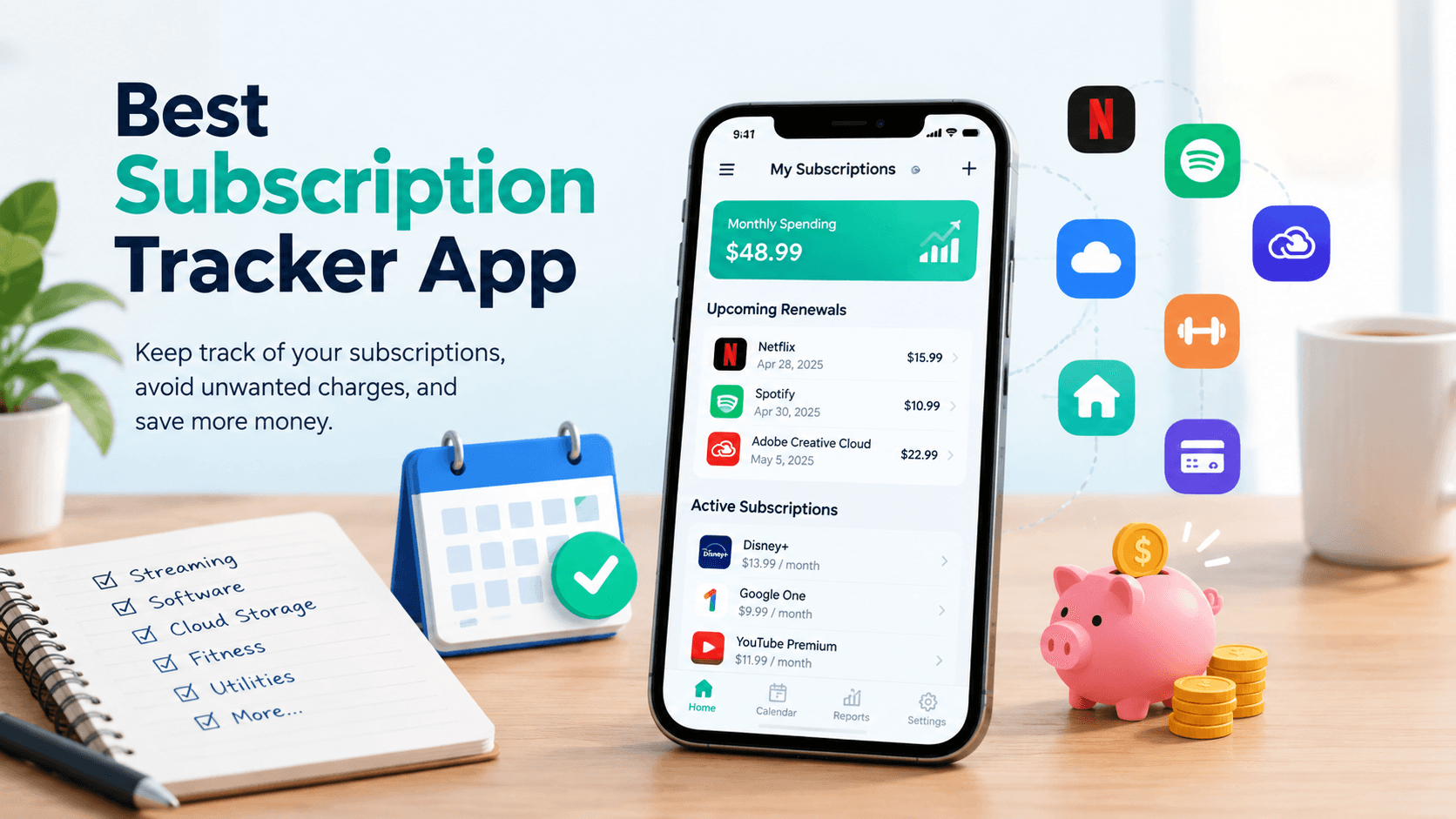
That last point trips up more people than you’d expect. A lot of converter tools, cloud storage apps, and even music-adjacent subscriptions rely on free trials that quietly roll into paid plans if you forget to cancel in time. If you’re signing up for any paid tool while you download audio from YouTube regularly, it’s worth setting a simple reminder for yourself before the trial ends. This is actually the exact problem Renew Reminder was built to solve — it tracks your subscriptions and free trials in one place and alerts you before you get charged, so a “just testing it out” tool never turns into a forgotten monthly bill.
Final Thoughts Before You Download Audio from YouTube
Wanting to download audio from YouTube is completely normal — whether it’s for offline listening, studying, or building a personal collection of tracks and podcasts you genuinely love. The key is doing it thoughtfully: stick to content you have the right to save, pick a reputable tool, choose a good bitrate, and keep your files organized. Do that, and you’ll get exactly what you were after — clean, portable audio you can listen to anywhere, without ads, without a screen, and without any legal or quality headaches.
Frequently Asked Questions
Is it safe to download audio from YouTube using online converters? Most reputable converter websites are safe to use, but it’s worth sticking to well-known, ad-light sites and avoiding ones that ask you to install unfamiliar software or browser plugins. When in doubt, a quick search for reviews of the specific tool can save you a headache.
Can I download audio from YouTube on my iPhone? Yes, though iOS has more restrictions than Android due to App Store policies. Most iPhone users rely on browser-based converter websites, since dedicated downloader apps are less common in the App Store.
What’s the best format to use when I download audio from YouTube? MP3 is the most universally compatible choice for everyday listening. If you’re inside the Apple ecosystem, M4A offers slightly better quality at a similar size. WAV is best reserved for audio editing work.
Does downloading audio from YouTube reduce the sound quality? It can, if you choose a low bitrate setting. Selecting 192kbps or higher when you download audio from YouTube will preserve most of the original sound quality.
Is it legal to download audio from YouTube for personal use? It depends on the content. Downloading your own uploads, Creative Commons content, or public domain audio is generally fine. Downloading copyrighted music without permission carries legal risk, even if it’s just for personal listening.
Do I need to install software to download audio from YouTube? No — many people download audio from YouTube entirely through browser-based tools with no installation required. Desktop software and browser extensions are optional alternatives for people who do this frequently.
Conclusion
At the end of the day, learning how to download audio from YouTube isn’t complicated — the harder part is doing it responsibly and picking a method that fits how you actually plan to use the audio. Stick to content you’re allowed to save, choose a trustworthy tool, pick a solid bitrate, and keep your downloads organized, and you’ll have a reliable way to enjoy your favorite tracks, talks, and podcasts wherever you go, offline and on your own terms.