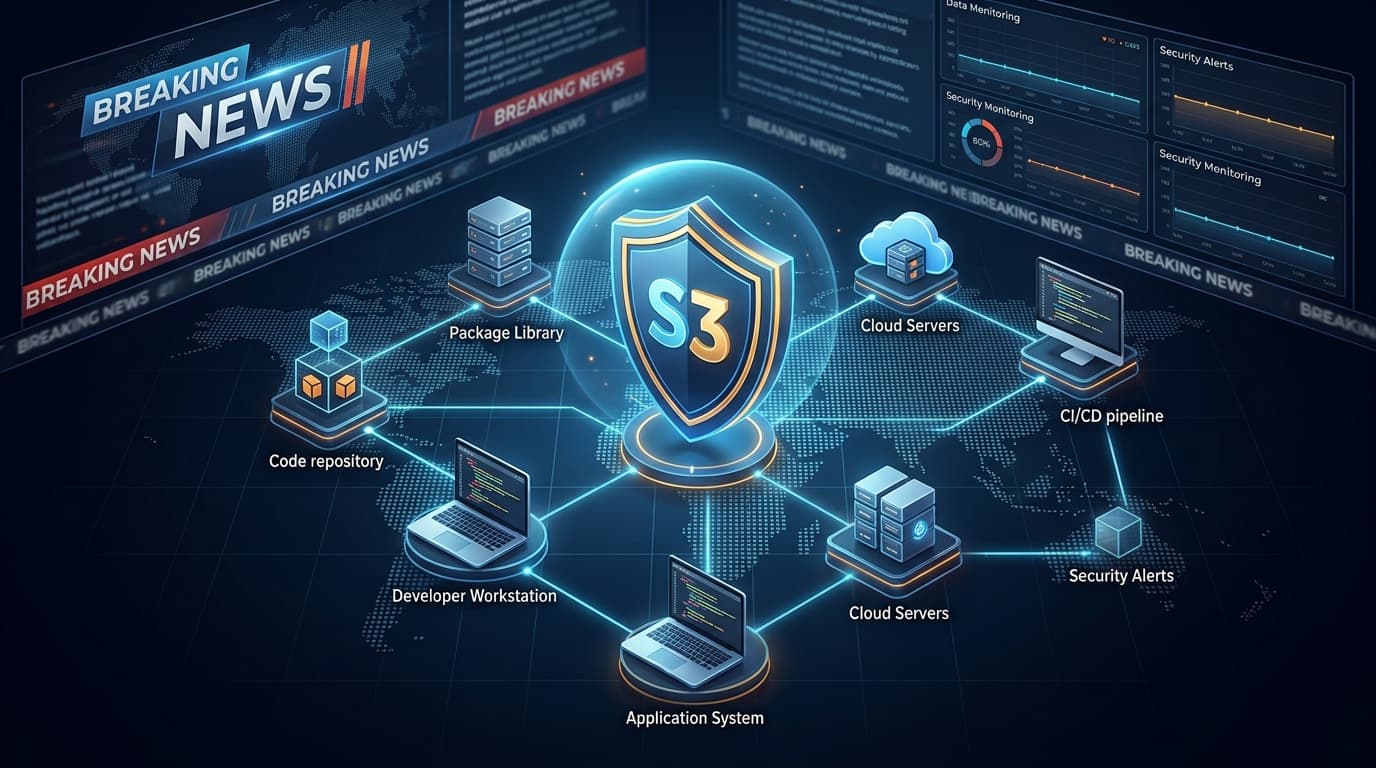
Small business internet usually brings up one image: a router, a monthly bill, and a provider logo. That’s only half the picture. In 2026, small business internet also means everything running on top of that connection — the cloud tools, payment processors, and software subscriptions a company depends on every single day.
This guide covers both sides. How to choose the right small business internet setup, and how to stop losing money on the internet-based services riding along with it.
What Does Small Business Internet Actually Include?

At the most basic level, small business internet is the connection itself — fiber, cable, or fixed wireless, sized for how many people and devices need to be online at once. Speed, uptime, and support response time matter more here than for a home connection, because downtime stops revenue, not just streaming.
But the connection is only the entry point. Once a business is online, it typically runs a dozen or more internet-based tools through that same line: accounting software, a website host, email marketing, payment processing, video calls, and cloud storage. Each one is its own subscription, billed monthly or yearly, often on autopilot.
A reliable internet connection for small business use is the foundation. The tools running through it are where the real budget lives.
Why Small Business Internet Matters More in 2026
Most small businesses now operate almost entirely through internet-based systems. Point-of-sale software, scheduling apps, inventory tracking, customer messaging — all of it depends on a stable connection and a growing list of subscriptions layered on top.
That shift has a quiet cost. Research on household and business spending consistently finds people underestimate their recurring charges by well over $100 a month, because each individual subscription looks small on its own. For a small business juggling internet service, software licenses, and vendor tools, that gap adds up fast.
Choosing solid business internet service is no longer just about bandwidth. It’s about building a stack you can actually see and control, instead of one that quietly renews itself in the background.
Choosing the Right Business Internet Service
A few things matter more than raw speed when comparing providers:
- Reliability and uptime guarantees — a connection that drops during business hours costs more than a slightly cheaper plan ever saves.
- Scalable bandwidth — the ability to add capacity as the team, devices, or cloud usage grows, without switching providers.
- Support response time — small businesses rarely have an IT department on call, so provider support speed matters.
- Contract terms and auto-renewal clauses — many business internet contracts renew automatically for another full term unless you cancel by a specific date.
That last point is worth pausing on. Business internet contracts are exactly the kind of recurring commitment that catches owners off guard, because the renewal deadline rarely shows up anywhere except the original contract.
The Hidden Layer: Every Subscription Riding on That Connection

Here’s what most small business internet guides skip entirely. The connection is one bill. The software running through it is many more, and most owners have never added them up.
A typical small business might pay for a website host, an email platform, accounting software, a scheduling tool, cloud storage, and two or three niche apps specific to their industry. Individually, each looks like a rounding error. Together, they’re often a bigger monthly cost than the internet service itself.
Free trials convert to paid plans automatically. Annual software renewals hit without warning. A tool nobody uses anymore keeps charging because canceling it fell off everyone’s list. None of this shows up on a typical internet bill — it shows up scattered across bank statements, weeks or months after the fact.
This is precisely the gap Renew Reminder was built to close. It tracks every subscription and recurring charge a small business runs — website tools, software licenses, vendor contracts — and sends a reminder before each one renews, not after the money is already gone.
For a growing business, Renew Reminder for Business goes further: every vendor and software contract gets a named owner and a recorded notice-period deadline, so nothing auto-renews without someone actually deciding it should.
A Simple Way to Audit Your Small Business Internet Stack
Run through this once a quarter:
- List your actual internet provider and contract renewal date, including any auto-renewal clause.
- List every software or service billed monthly or yearly that runs through that connection.
- Flag anything nobody has logged into in the last 60 days.
- Check whether any free trials are close to converting to paid plans.
- Assign one owner per subscription so cancellation decisions don’t fall through the cracks.
Most owners find at least one forgotten charge the first time they do this. It’s rarely a huge number on its own — it’s the accumulation that hurts.
Bringing It Together
Small business internet isn’t just the monthly connection fee anymore. It’s the connection plus everything billed through it, and the second part is usually the one nobody tracks closely enough.
A dependable business internet service keeps you online. A renewal tracker keeps you from paying for tools, trials, and contracts you forgot you had. Together, they turn an unpredictable monthly cost into something you can actually plan around.
You can see how subscription and vendor tracking fits into your internet-based toolstack, and start a free trial, at renewreminder.com, or download the app on Google Play and the App Store.
FAQs
What counts as small business internet? It’s the internet connection a business uses to operate, plus every cloud tool, software subscription, and internet-based service that runs through it — from payment processing to email marketing.
How much should a small business budget for internet and software combined? It varies by industry, but most small businesses underestimate their total by a wide margin, since each subscription is billed separately and rarely reviewed as a whole.
Do business internet contracts auto-renew? Many do, often for a full additional term unless notice is given by a specific date written into the contract — a detail that’s easy to miss without a reminder system.
How can a small business avoid forgotten software subscriptions? Keep a single running list of every subscription with its renewal date, assign an owner to each one, and use a reminder tool that alerts you before, not after, the charge happens.
Does Renew Reminder track business internet contracts too? Yes. Any recurring vendor contract, including internet and software services, can be added with its renewal date and notice period, so you get an alert before the cancellation window closes.
Is switching internet providers worth the hassle for a small business? Usually only if reliability, support speed, or price has become a real problem. Before switching, check the current contract’s cancellation terms so you don’t get charged for an unexpected renewal on the way out.